
Warming's Effects on Weather-Related Perils
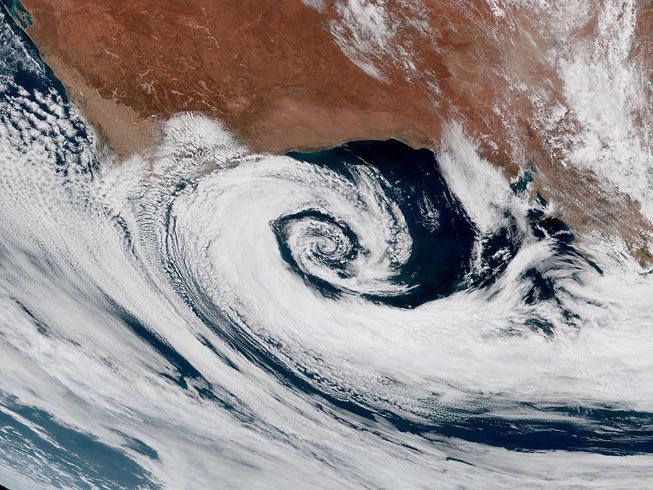
An Increase in the Strongest Extratropical Cyclones (ETCs)
Climate change may result in a northward shift of the jet stream, which generates and channels ETCs through the North Atlantic and European storm track.
- The annual frequency in ETCs across Europe may decrease, but there may be an increase in the strongest ETCs during the winter months (December–February), particularly for the United Kingdom and central Europe, reflecting the slight northern shift in the storm track.
- The frequency and intensity of rapidly deepening ETCs impacting Europe are expected to increase in a warming climate. Such ETCs have been observed to generate the most intense surface wind gusts.
More Frequent Coastal and Inland Flooding
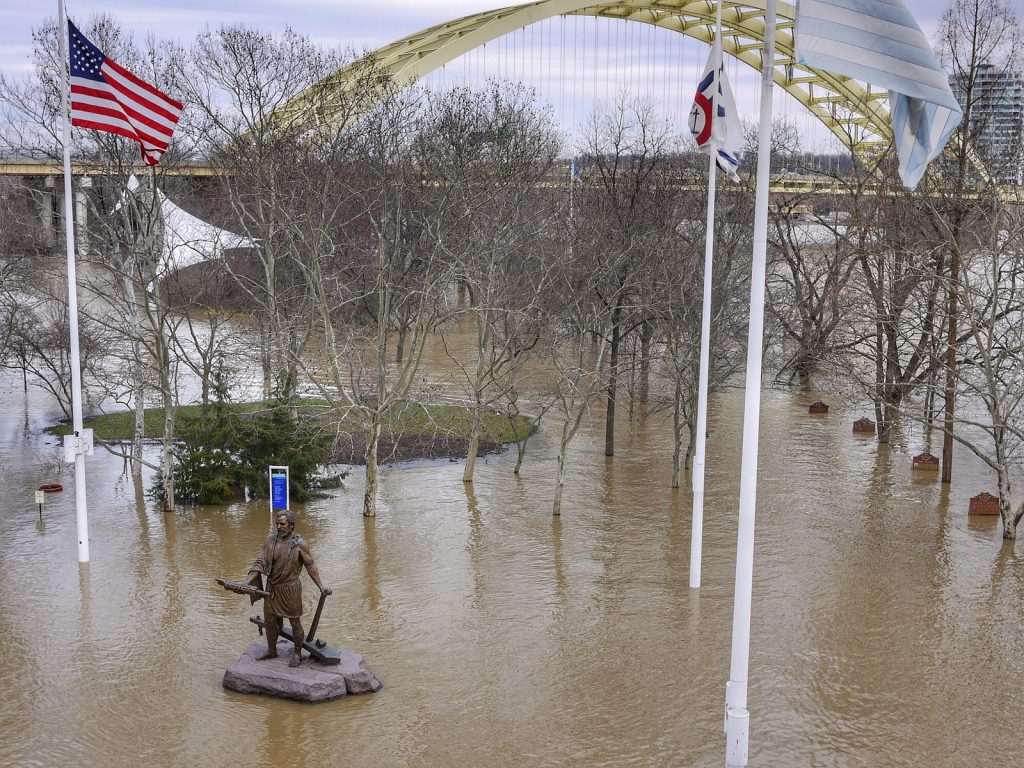
It is highly likely that flooding will increase due to climate change. A warmer atmosphere holds more water vapor and will generally lead to a global increase in precipitation. However, the geographical spatial distribution of increases or decreases also depends on changes in global wind and weather patterns and has a high level of uncertainty.
- There is some evidence that Atlantic basin hurricanes may be “slowing down,” especially in the Gulf as they move west. This could lead to more frequent flooding events from tropical cyclones because slow-moving storms can linger over the same area for several days.
- Coastal flooding from tropical cyclones will also likely increase due to sea level rise.
Increased Area Burned From Wildfires
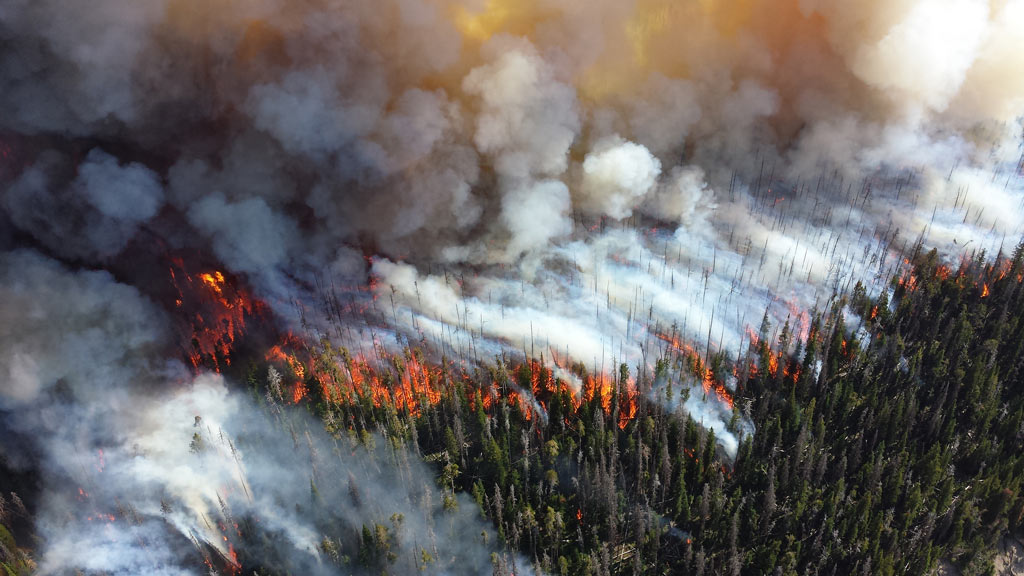
Wildfires in the Western US are largely dependent on fuel moisture, especially in forested areas. Increased vapor pressure deficit (VPD), the difference between the amount of moisture in the air and the total moisture that the air can hold, has been shown to correlate with seasonal area burned. This is because warm air can hold more moisture than cool air, and the unsaturated warm air pulls more moisture from vegetation.
- Increased VPD in a warming climate leads to drier conditions and more burnable fuel for wildfires.
- There is a very high likelihood that VPD will continue to increase based on a consensus among many climate model projections.
Arctic Amplification and Winter Storms
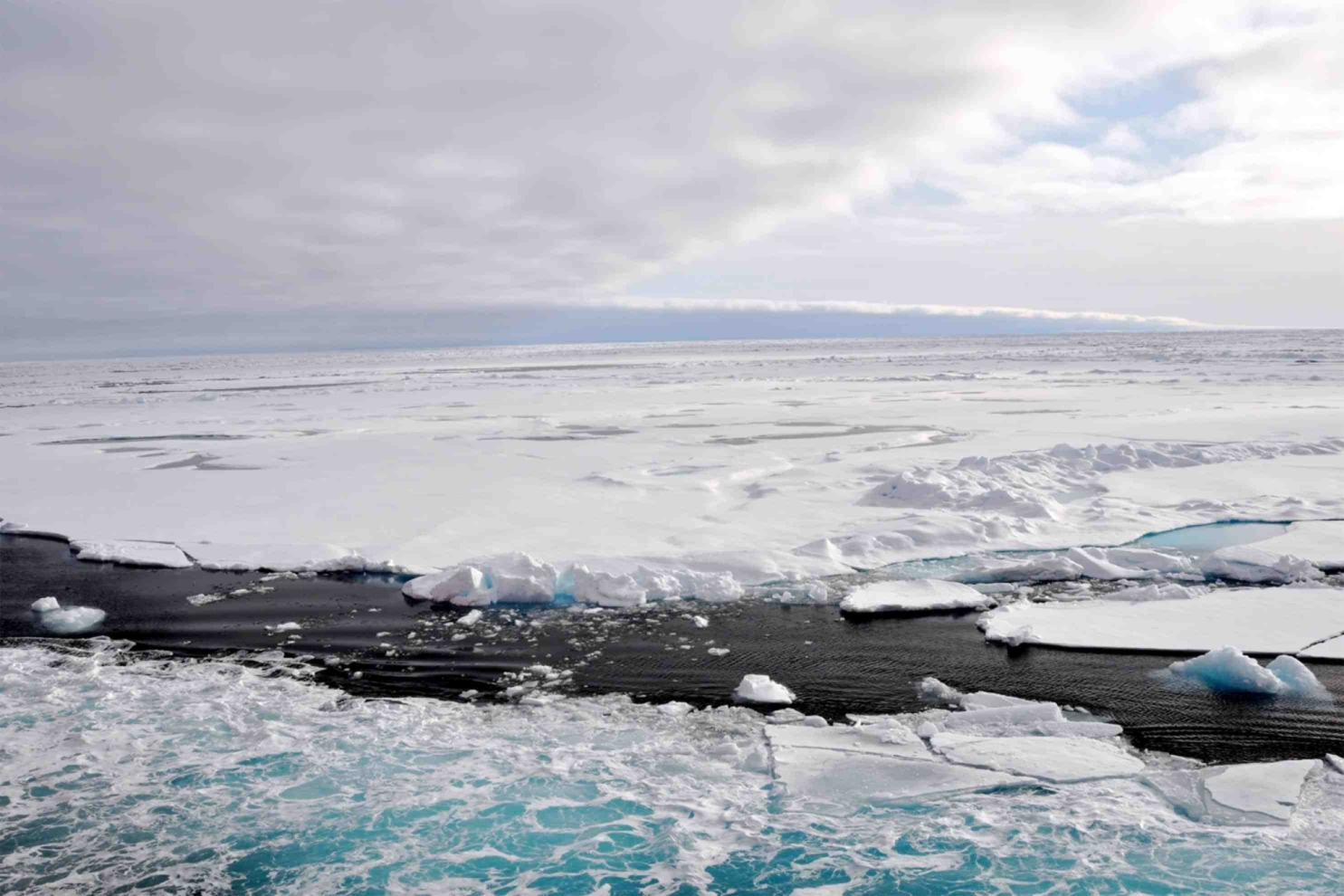
The Arctic is warming faster than any other region of the globe—a phenomenon known as Arctic Amplification. This is resulting in the melting of land and sea ice, and existing ice is becoming dirtier. Clean ice reflects solar energy, whereas exposed land, exposed water, and dirty ice absorb solar energy. This amplifies warming and affects the behavior of the jet stream, which drives winter storms.
- Research has shown that the winter season may get shorter, but winter storm events during January through February (Northern Hemisphere’s polar night) may become more intense.
- Snow will likely see the greatest impact from climate change, with less accumulations expected farther south than the historical past.
- There is considerable uncertainty regarding the effects of climate change on cold air outbreaks in the next few decades.